Introduction
In an era where sanitation and hygiene are of utmost importance, the role of portable toilets—or as they are technically known, "portable restroom facilities"—has grown immensely. From outdoor events to construction sites, these units provide essential services when traditional restroom facilities are not available. However, what often goes unnoticed is the critical aspect of waste disposal associated with these facilities.
This article delves deep into the intricacies of waste disposal from portable toilets, exploring various related topics such as regulations, operational standards, and best practices for maintaining hygiene. As we navigate through this comprehensive guide, we will address common questions about the functionality and legality surrounding portable toilets.
What You Should Know About Waste Disposal from Portable Toilets
Portable toilets are more than just a temporary solution for outdoor events; they serve as vital units for waste management in numerous settings. Understanding how they function can shed light on their utility and importance in our daily lives.
The Basics of Portable Toilets
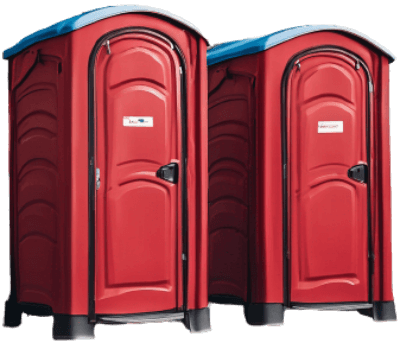
Portable toilets come equipped with a holding tank that collects human waste and prevents it from contaminating the surrounding environment. The waste is typically treated with chemicals to minimize odor and bacteria growth.
How Do Construction Toilets Work?
Construction toilets, commonly referred to as portable restrooms or porta potties, operate on a simple yet effective mechanism. When users utilize these facilities:
Waste Collection: Waste drops into a sealed holding tank. Chemical Treatment: A blue chemical solution often found at the bottom helps break down waste while controlling odors. Ventilation: Many models have ventilation systems to ensure airflow and reduce unpleasant smells.Regular servicing involves pumping out the contents of the holding tank and replacing the chemical solution to maintain sanitation levels.
Regulations Governing Portable Toilets
Navigating legalities around portable toilet usage is crucial for compliance on job sites and public events.
What Are the OSHA Rules for Porta Potties?
The Occupational Safety and Health Administration (OSHA) enforces regulations that govern sanitation requirements on construction sites:
porta potties- Employers must provide one toilet facility for every 20 employees. For sites with more than 200 workers, at least one additional toilet must be added per 40 workers after that. Facilities should be accessible within a reasonable distance—usually no more than a five-minute walk.
Understanding these rules is vital to avoid penalties while ensuring worker safety and comfort.
The Importance of Adequate Facilities
As workplaces evolve, so too does the need for proper facilities that cater to employee well-being.
How Many Toilet Seats and Urinals Are Required for a Construction Site with 80 Workers?
For a construction site with 80 workers:
- Based on OSHA guidelines, you would require at least four toilet seats (one per 20 workers). If urinals are provided, they can count towards this total; however, it's generally recommended to offer both options to maximize accessibility.
Disadvantages of Porta Potties
Despite their convenience, there are notable disadvantages associated with using portable toilets:
Limited Space: They often lack privacy compared to traditional bathrooms. Odor Issues: Poor maintenance can lead to unpleasant smells. Sanitation Concerns: Users may worry about hygiene due to shared usage without regular cleaning.Being aware of these factors can help improve user experience by choosing high-quality units and ensuring frequent servicing.
Frequently Asked Questions (FAQs)
1. Is it an OSHA violation to work without running water?
Yes! OSHA mandates that employers provide clean drinking water and washing facilities for employees working in areas where running water isn't readily available.
2. Can you sue a company for not letting you use the bathroom?
Yes! Employees have rights under labor laws that protect them from being denied access to restrooms during work hours.
3. How many toilets do you need for 100 employees?
According to OSHA guidelines:
- You would need five toilet facilities if only portable restrooms are provided. This could increase based on factors like shifts or extended work hours.
4. What not to put in a porta potty?
Avoid placing items like tampons, diapers, food waste, portable toilet rental huntsville or any non-biodegradable materials in porta potties as they can clog the system and cause sanitation issues.
5. How sanitary is a porta potty?
When properly maintained—cleaned regularly and stocked with necessary supplies—porta potties can be quite sanitary despite common misconceptions about them being unhygienic.
6. Why is porta potty water blue?
The blue liquid used in porta potties contains chemicals designed to neutralize odors and break down waste material effectively while providing a visual indication that treatment has been applied.
Conclusion
Waste disposal from portable toilets is an essential aspect of modern sanitation solutions that cannot be overlooked. By understanding their operation, associated regulations like those set forth by OSHA, advantages and disadvantages, we can appreciate their role in maintaining public health at events or job sites alike.
Portable toilets offer invaluable service when managed correctly—ensuring that everyone has access to clean facilities wherever necessary is essential for both comfort and legal compliance in today’s world. As we continue navigating through our busy lives filled with outdoor engagements or construction developments, let us remember just how crucial these humble restrooms truly are!